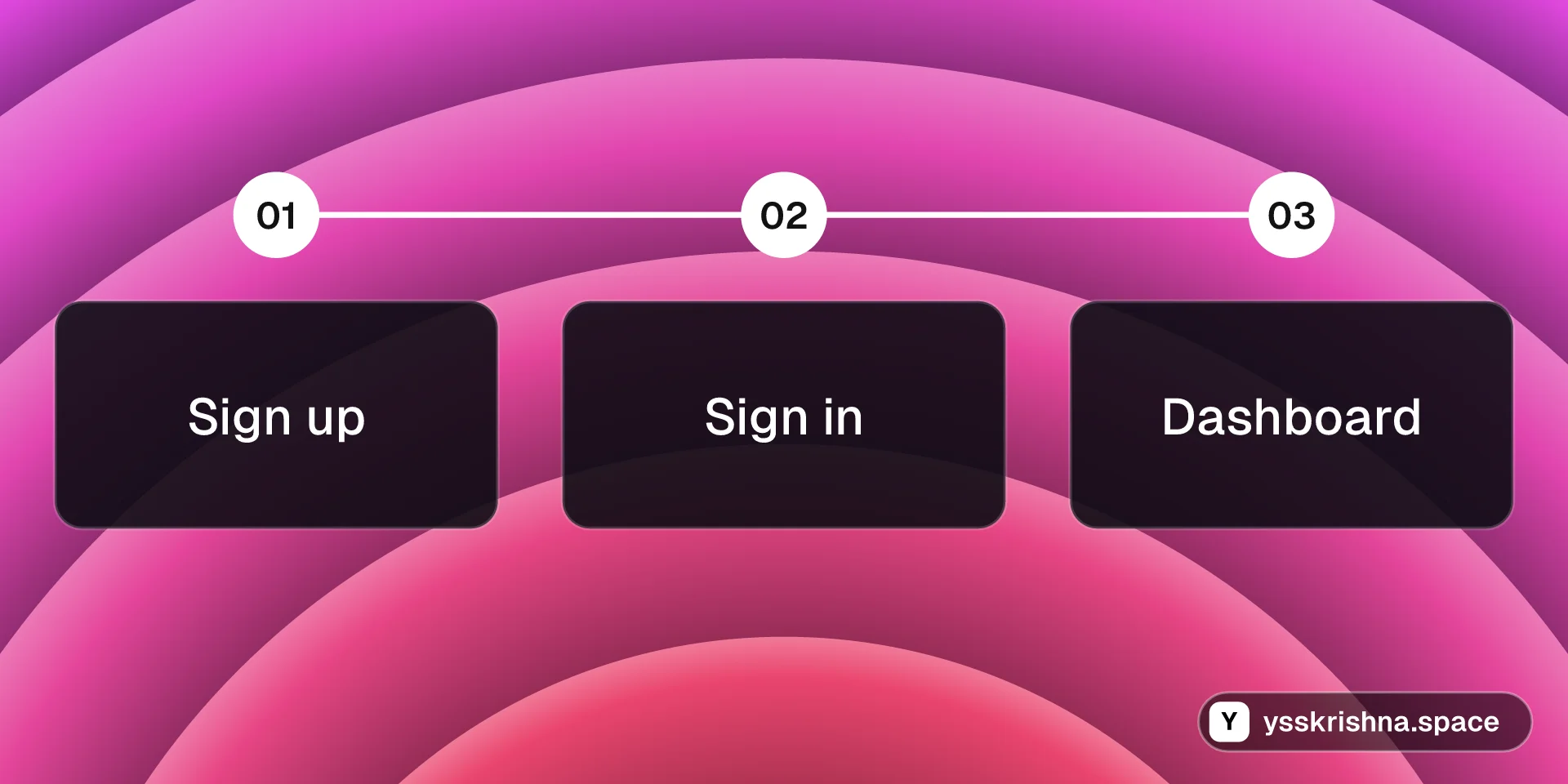


Your client already has a Clerk session. Your API still needs to trust the token.
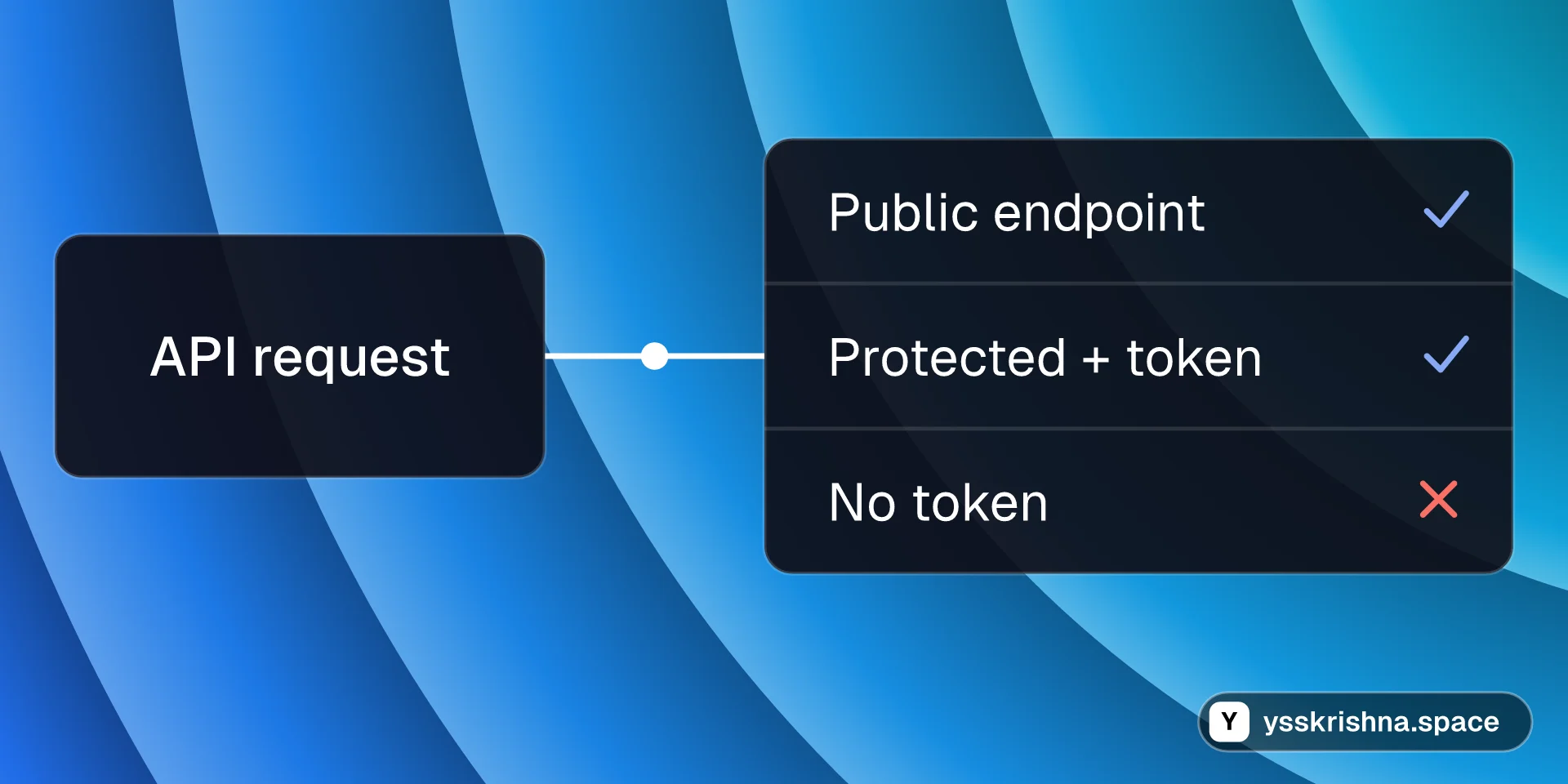
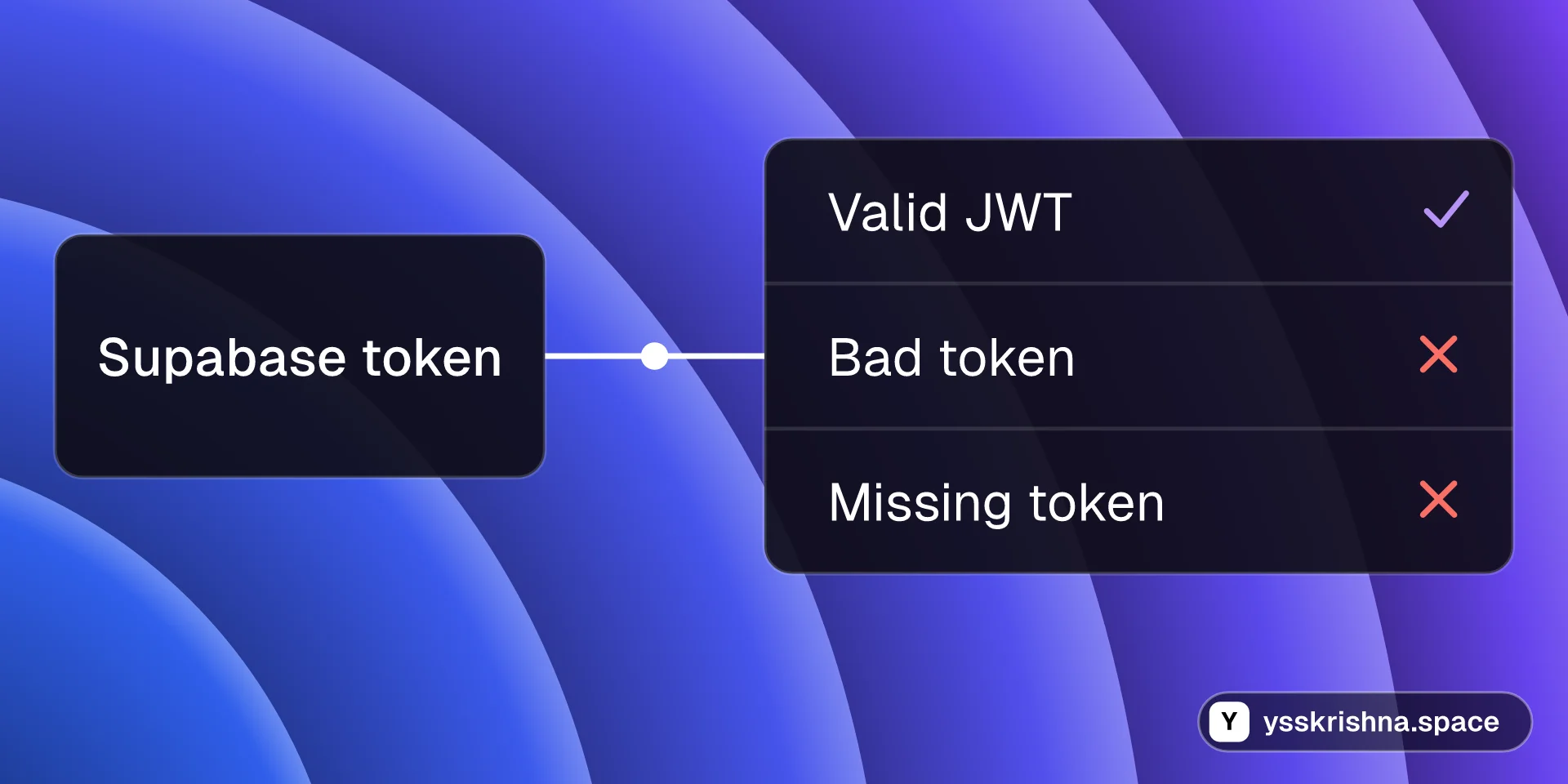
Clerk issues the JWT. Your FastAPI service still has to read the Bearer token, validate it, and decide which routes stay open. That wiring is easy to postpone and painful to debug when it is wrong.
FastAPI Clerk Starter is the clone-and-configure starting point for that backend half.
Validate the token once. Protect the routes that matter.
What you get
- Protected user endpoints out of the box. Documented routes to create a user from the token payload and to read back the signed-in profile, both requiring a valid Clerk JWT.
- JWT checks before your handler runs. The project centers validation and parsing in shared utilities so protected routes follow one pattern instead of one-off copies.
- A database story you can grow. User records sit behind an ORM with SQLite as the default store, with room to point at another database when you are ready.
- Interactive API docs included. Swagger UI ships with the app so you can exercise endpoints without guessing URLs.
- Cross-origin requests handled. CORS middleware is already in place for browser clients talking to your API.
- Free and open source. MIT licensed. Price on the product page is Free.
Your first morning after cloning
Picture an illustrative case: you create a Clerk project, copy JWKS URL and issuer into your environment file, and start the dev server. Swagger opens on the documented port. You paste a session token into the Authorization header, hit the user routes, and see a row appear in the local database. You spend the afternoon on business logic, not auth plumbing.
Ready to try it?
- Get the starter on GitHub for the full setup steps, environment template, and project layout.
Keep exploring
Need a full-stack path with a Clerk front end too? See FastAPI Nextjs Clerk Starter for a combined API and Next.js starting point pinned as a related product in the catalog.