ysskrishna logoysskrishna

Nextjs Multi-Stage Docker

Nextjs Docker Optimization: Single vs. Multi-Stage Builds

Side-by-side Next.js Dockerfiles: one-stage vs multi-stage, with a documented size tradeoff

This repository ships two build paths for the same style of Next.js app: a single-stage Dockerfile that keeps build tooling in the final image, and a multi-stage Dockerfile that ends on a slimmer runtime image with practices like a non-root user. The README walks through build stages, a compose command to build both, and a table comparing size, build time, complexity, and security posture.

When it is useful

You are deciding how to containerize a Next app, you need concrete examples for a talk or internal standard, or you want numbers you can reproduce with docker images after following the project. It is a comparison demo, not a managed hosting product.

What you can do

  • Build and run both variants with the Docker Compose flow in the repository (ports for each variant are documented there for local comparison only).
  • Read the documented image-size snapshot and methodology. Figures in the README are project-specific; your app may differ.
  • Reuse the patterns (dependency stage, builder, minimal runner) when authoring your own production Dockerfile.

Limits

  • Reported sizes and percentages are from the bundled sample at the time documented in the repo; re-measure after dependency or framework upgrades.
  • Security and compliance still depend on your base images, patching, secrets, and runtime config.
  • The sample does not replace CI scanning, supply-chain review, or orchestration choices.
Frequently asked questions

What does this repo compare?

Two Docker build paths for the same style of Next.js app: a single-stage Dockerfile that keeps build tooling in the final image, and a multi-stage Dockerfile with dependency, builder, and runner stages ending on a slimmer runtime image.

How do I compare them locally?

Copy .env.sample to .env, then docker-compose up --build. Single-stage runs at localhost:3000 and multi-stage at localhost:3001. Use docker images | grep frontend to compare sizes.

What size difference does the README document?

For the bundled sample at the time documented, single-stage was about 1.22GB and multi-stage about 192MB (roughly 84% smaller). Re-measure after dependency or framework upgrades; your app may differ.

What security practice does multi-stage show?

The multi-stage runner uses a non-root user and excludes build tools and development dependencies from the final image. Broader security and compliance still depend on your base images, patching, and secrets.

Continue exploring

ProductFastAPI UV vs Requirements File

FastAPI UV vs Requirements File

FastAPI Docker: UV vs Requirements for speed
DevOps & Infrastructure
Backend & APIs
Starter Kits & Boilerplates
FastAPI
ProductFlask Nginx Docker Starter

Flask Nginx Docker Starter

Flask backend template with Docker & Nginx.
DevOps & Infrastructure
Backend & APIs
Starter Kits & Boilerplates
Flask
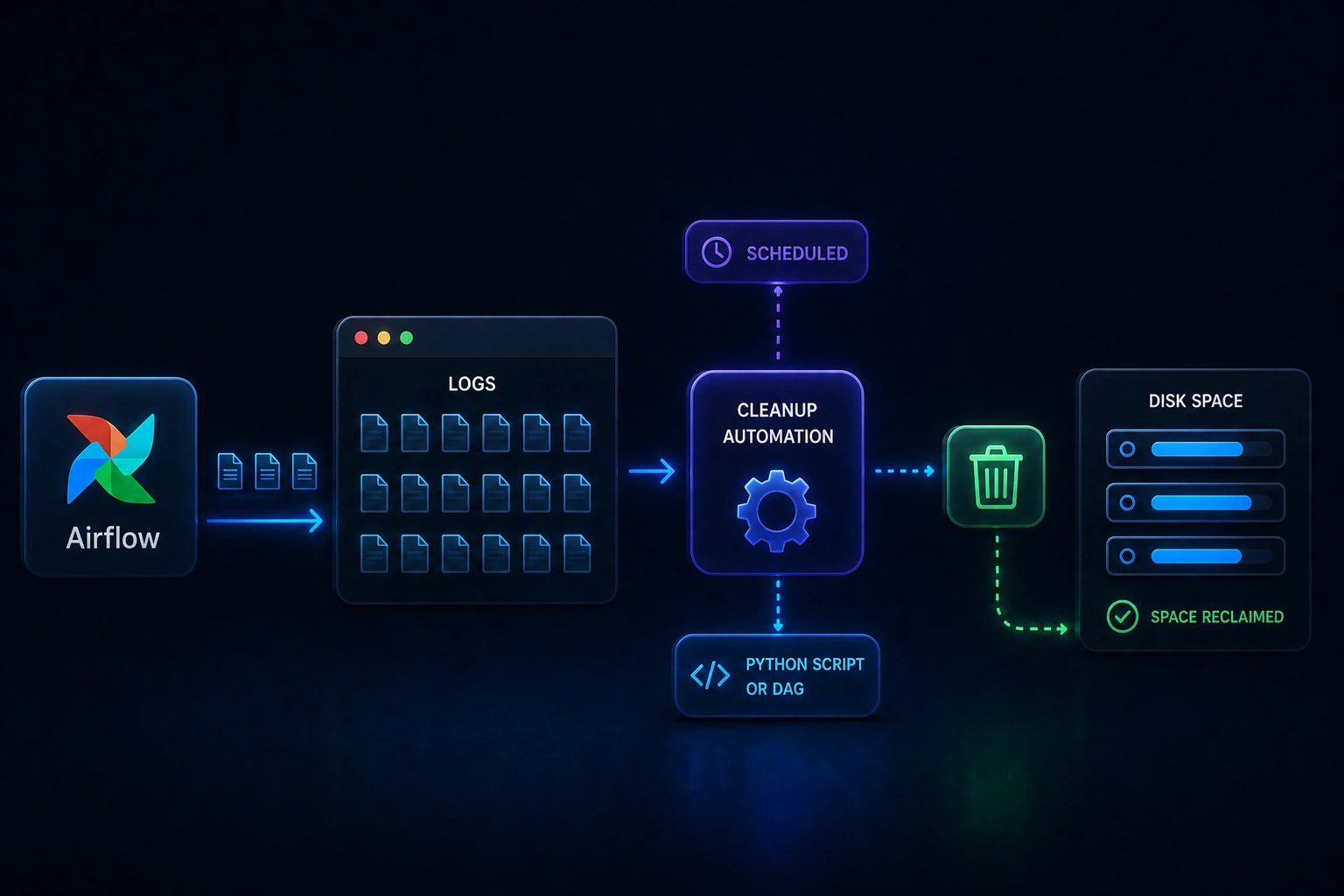
BlogCover image for How to Automate Airflow Log Cleanup and Reclaim Disk Space

How to Automate Airflow Log Cleanup and Reclaim Disk Space

Airflow
Bash
+3
3 min read
ProductDocker Detector

Docker Detector

Detect if Python process is running inside a Docker container
DevOps & Infrastructure
PyPI Packages
Python
uv
BlogCover image for How to Access Localhost on Mobile with ngrok or Cloudflare

How to Access Localhost on Mobile with ngrok or Cloudflare

macOS
Bash
+1
5 min read
ProductContainer Detect

Container Detect

Detect if Python process is running inside a container (Docker, Podman, Kubernetes)
DevOps & Infrastructure
PyPI Packages
Python
uv