
ysskrishna logoysskrishna

Express FastAPI Performance Test

Same load tests, three backends. Numbers you can show in a meeting, not a tweet.

Gallery image 1
Gallery image 2
Gallery image 3
Built with
Experimental Projects
Backend & APIs
Artillery
FastAPI
Express
Node.js
Python
JavaScript
Docker
PostgreSQL
Bash
Details
FreeMIT licenseCreated June 22, 2025Updated November 12, 2026
Share this product

Your team wants proof, not another framework flame war.

Someone drops a blog post. Someone else drops a GitHub gist. The charts look slick, but the setups rarely match. Half a core here, four workers there, a different database script in the footnotes. By the time you defend a choice in a meeting, you are arguing about methodology, not your product.

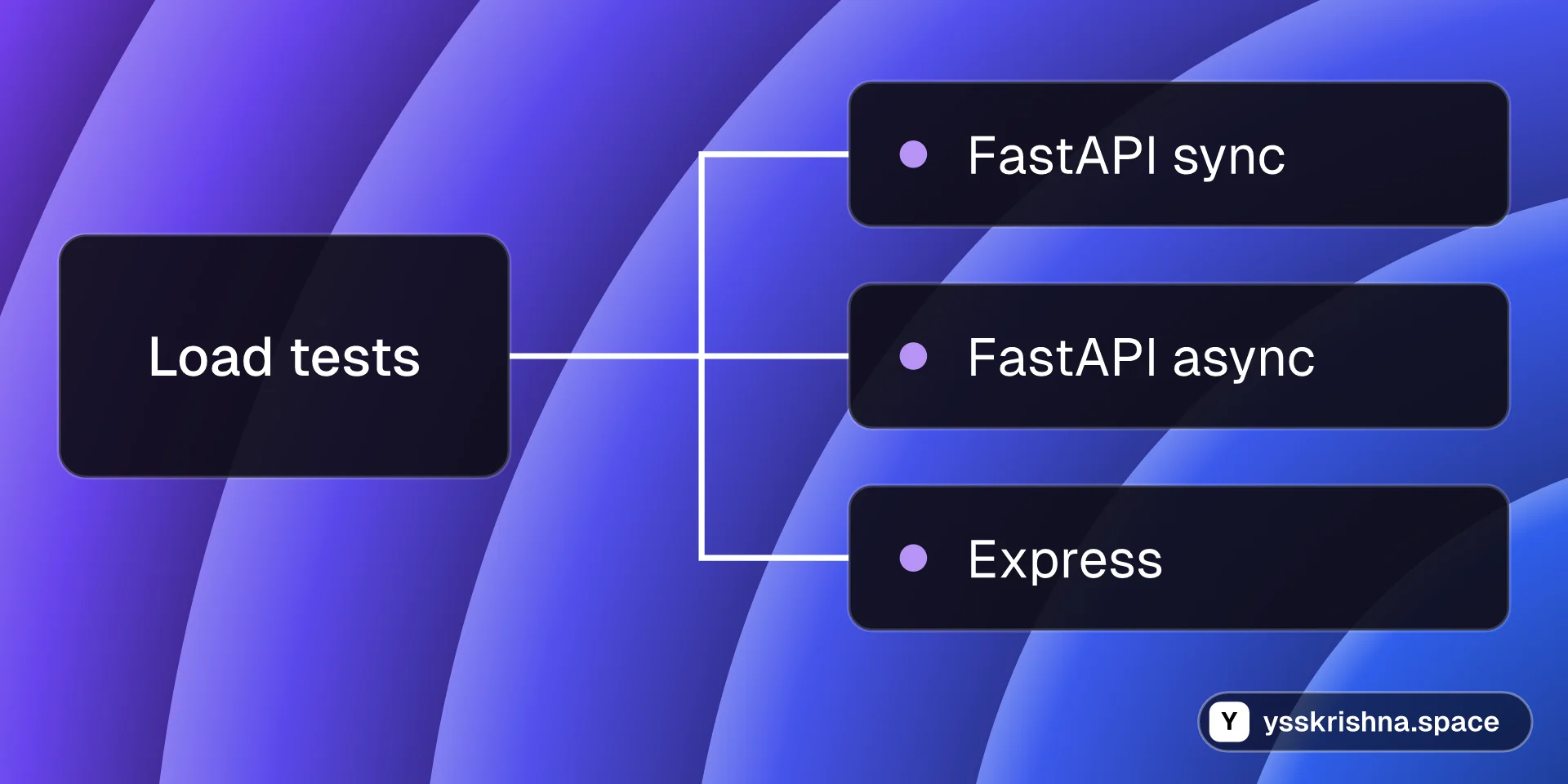
Express FastAPI Performance Test is a ready-made lab that runs the same scenarios against three implementations on shared hardware limits so you can rerun the tests and bring your own charts.

Compare fairly, or do not compare at all.

What you get

  • Three backends, one playbook. FastAPI synchronous, FastAPI asynchronous, and Express share a PostgreSQL schema and run one at a time through Docker Compose profiles so nothing else steals resources mid-test.
  • Resource caps baked in. Each service runs with half a CPU core and 512 MB of RAM so runs stay comparable instead of whoever grabs the most cores winning by accident.
  • Seven real load patterns. Read-heavy, write-heavy, spike, stress, soak, and breakpoint read and write suites simulate traffic shapes people actually argue about, not a single hello-world route.
  • Reports you can attach. Runs produce JSON for spreadsheets and HTML for a quick read, with example outputs shipped in the repo for reference.
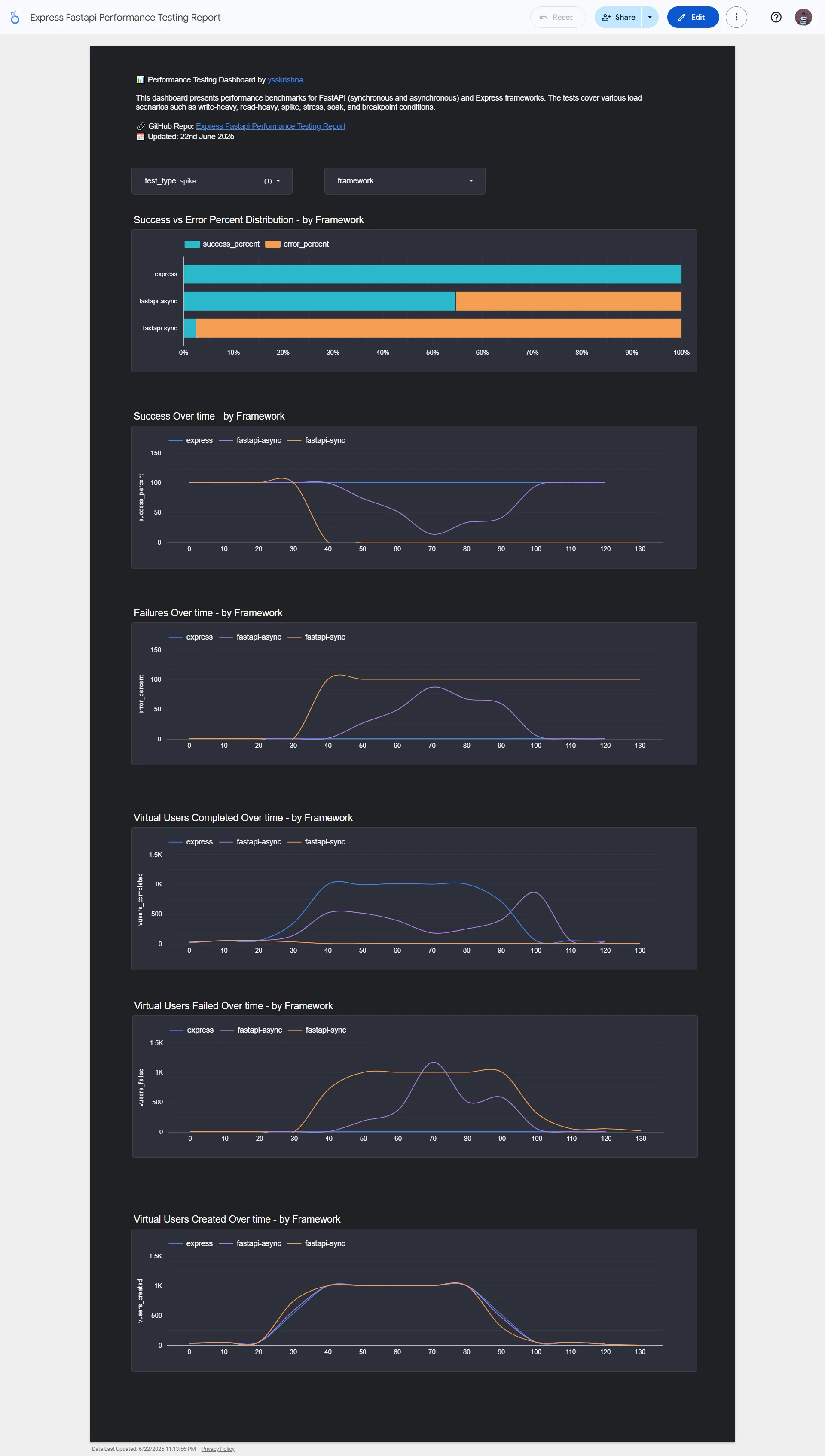
  • A public dashboard to browse first. A Looker Studio report lets you explore sample results before you clone anything.
  • Free and open source. MIT licensed. Clone, rerun on your machine, and tune the YAML when your question changes.

Picture your Thursday

You are drafting an internal note on whether the next service stays on Node or moves to Python. Instead of screenshotting strangers' benchmarks, you run read-heavy on each profile, export the HTML reports, and paste the charts beside the same scenario names. The numbers still reflect your laptop and Docker limits, but at least every bar used the same test and the same caps. That is the conversation you wanted.

Ready to try it?

Frequently asked questions

Why not just copy a benchmark script from the internet?

You can, and many people do for a quick bar chart. The hard part is keeping the apps, database, resource limits, and traffic shapes aligned so the comparison means something. This repo wires that up: three profiles, shared Postgres, capped CPU and memory, the same seven scenario types, and report outputs you can hand to a teammate without rewriting glue code.

Is Express faster than FastAPI?

This project does not crown a universal winner. It measures three implementations you can run under the same Artillery scenarios and Docker limits. Your outcome depends on hardware, tuning, and which scenario you care about. Use the bundled example reports and dashboard as reference, then rerun on your stack.

How does FastAPI synchronous compare to FastAPI asynchronous here?

Both are first-class profiles. You run fastapi-sync or fastapi-async against the same test types and compare the generated reports side by side. The README describes both folders in the project structure and lists both profiles in the runner script.

What load scenarios are included?

Seven suites: read-heavy, write-heavy, spike, stress, soak, breakpoint-read, and breakpoint-write. Each has a YAML config under the artillery tests folder, and the runner script accepts the test type name documented in the README.

Can I see results without running everything locally?

Yes. The README links a public Looker Studio dashboard, and the documentation folder includes generated Artillery reports for all scenarios so you know what a finished run looks like.

How do I run one scenario on one backend?

Install Artillery as documented in the README, then use the automated test runner with a profile and test type, for example fastapi-async with read-heavy. A second script runs the full matrix across all profiles and scenarios when you want a sweep.

Is it free?

Yes. It is open source under the MIT license.

Continue exploring

ProductExpress FastAPI Protobuf

Express FastAPI Protobuf

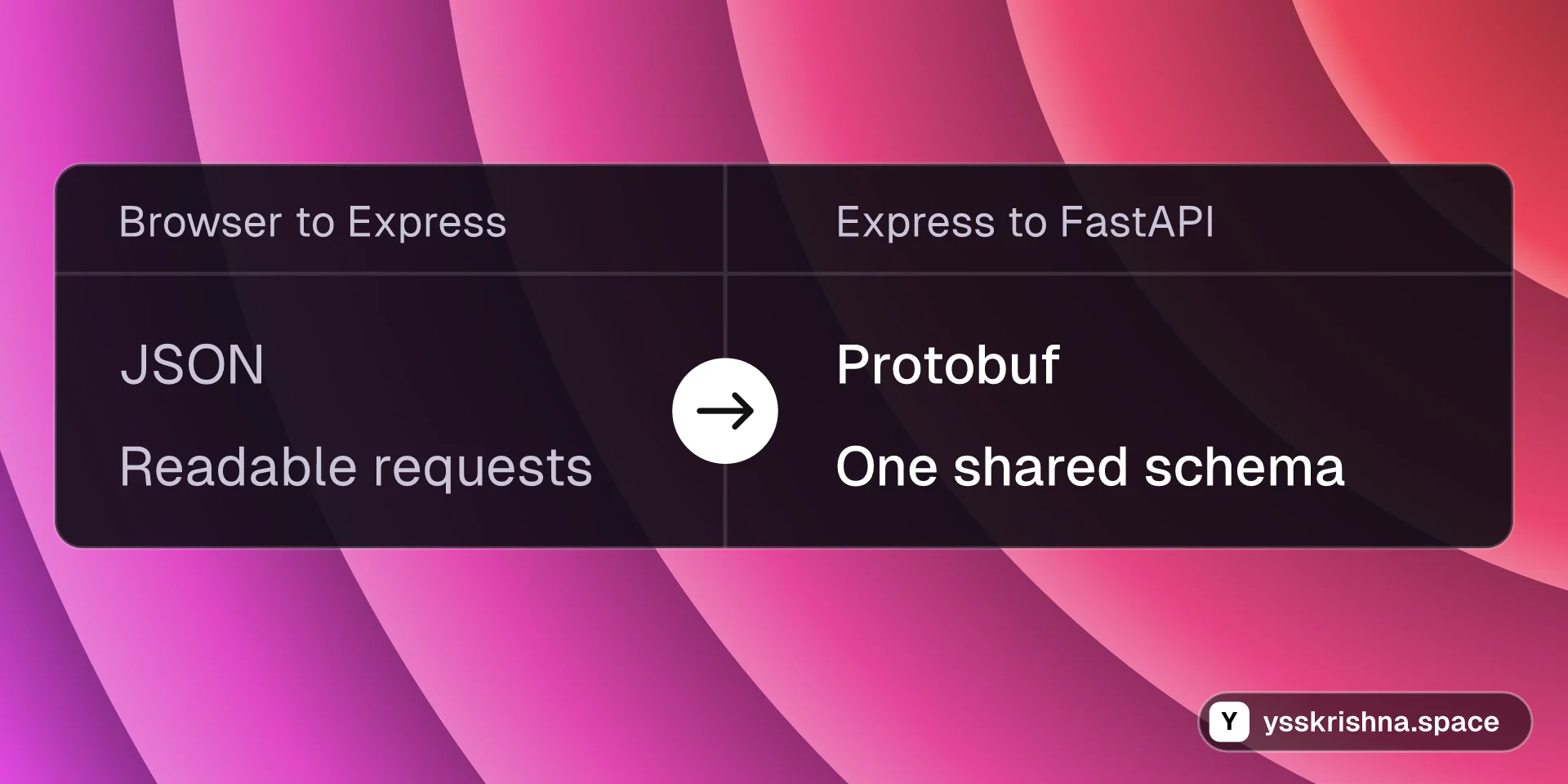
Clone a quote browser that keeps JSON at the edge and binary contracts between services.
Backend & APIs
Starter Kits & Boilerplates
+6
ProductExpress Multi-Tenant Configurations

Express Multi-Tenant Configurations

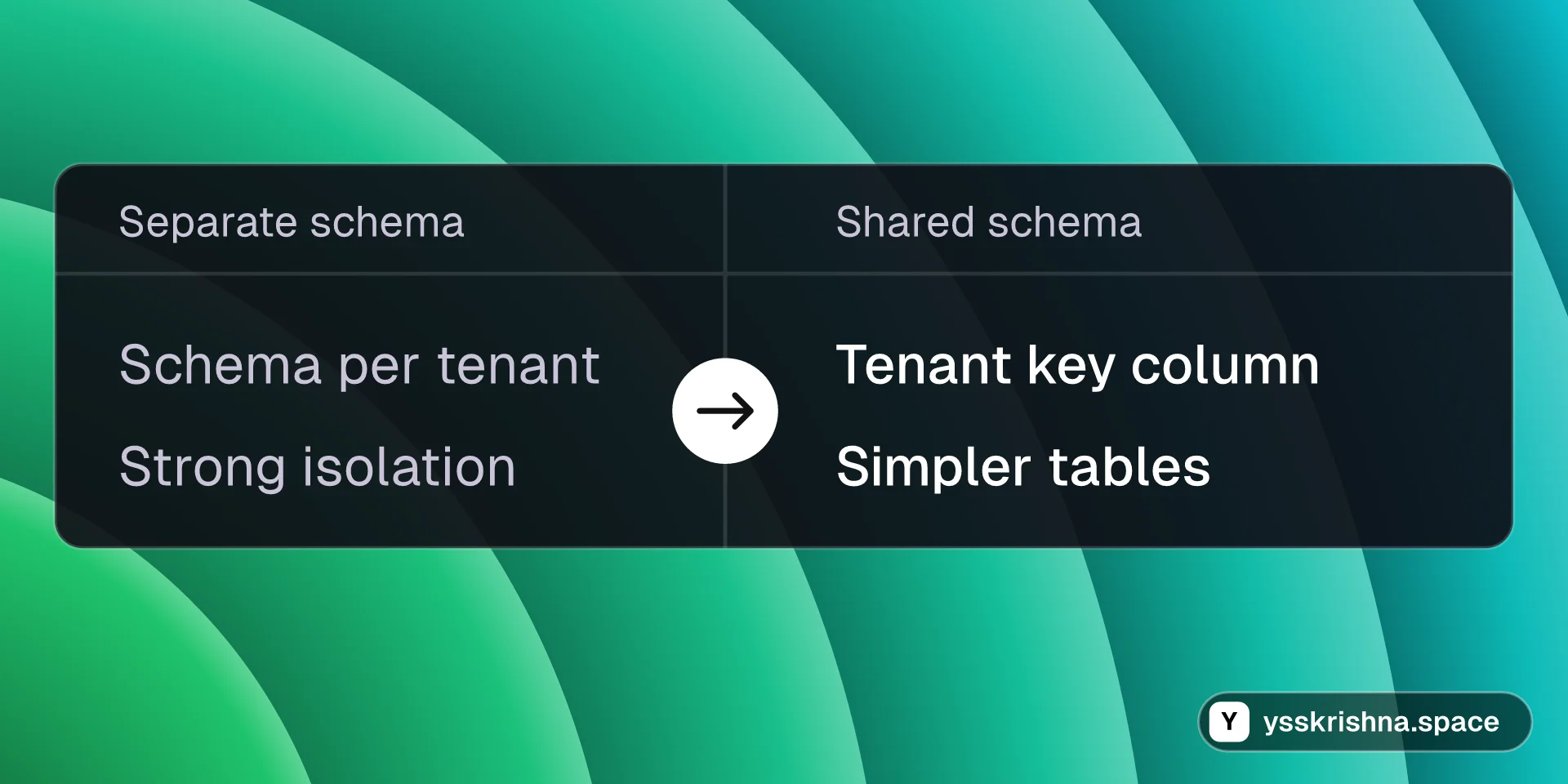
Compare schema-per-tenant and shared-table multi-tenancy with runnable examples.
Databases & SQL
Backend & APIs
+8
ProductEmail Audit Rules Engine

Email Audit Rules Engine

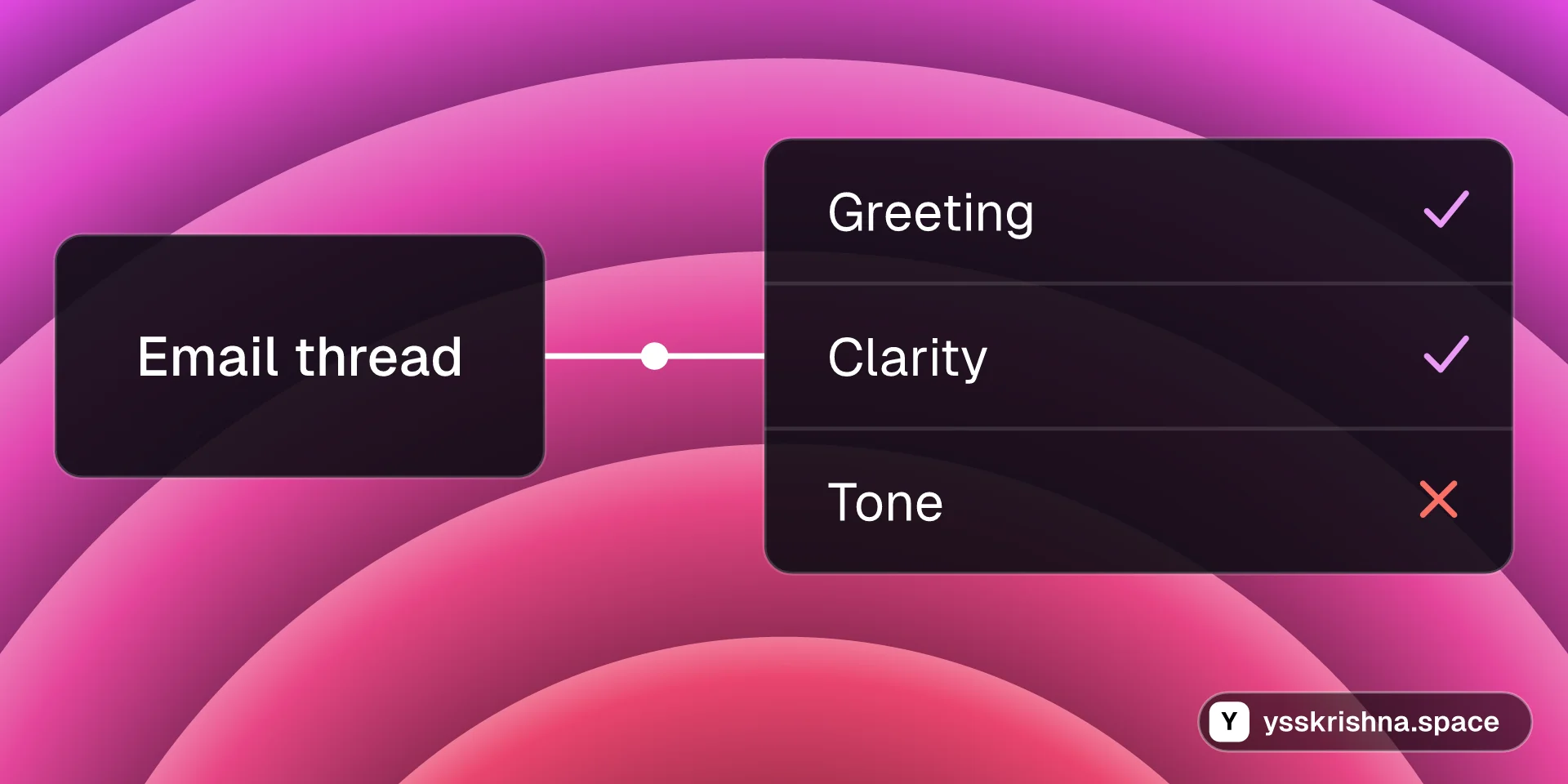
Repeatable scores for outbound customer replies your team can explain without rereading every thread.
Experimental Projects
Python
+2
BlogCover image for How Microservices Verify JWTs Without Calling the Auth Service

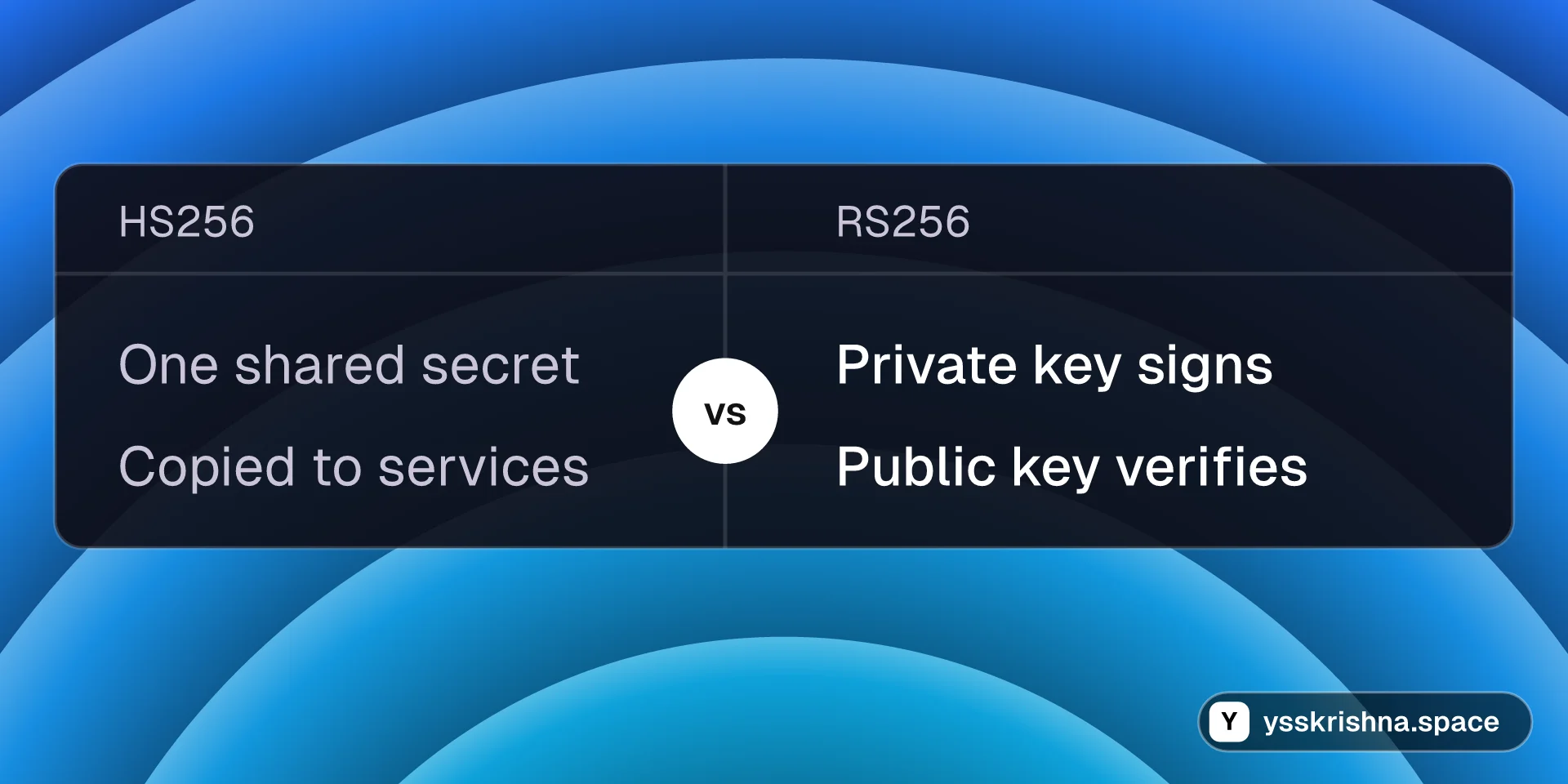
How Microservices Verify JWTs Without Calling the Auth Service

Auth & Security
Backend & APIs
+1
8 min read
ProductEasy Calculator

Easy Calculator

A small responsive calculator you can run locally or shape for your own site.
Experimental Projects
JavaScript
+1
ProductFastapi Sync Async Starter Template

Fastapi Sync Async Starter Template

Start your FastAPI service with sync and async database patterns wired, tested, and ready to run in Docker.
Backend & APIs
Starter Kits & Boilerplates
+8