Modular thinking packs for agent workflows
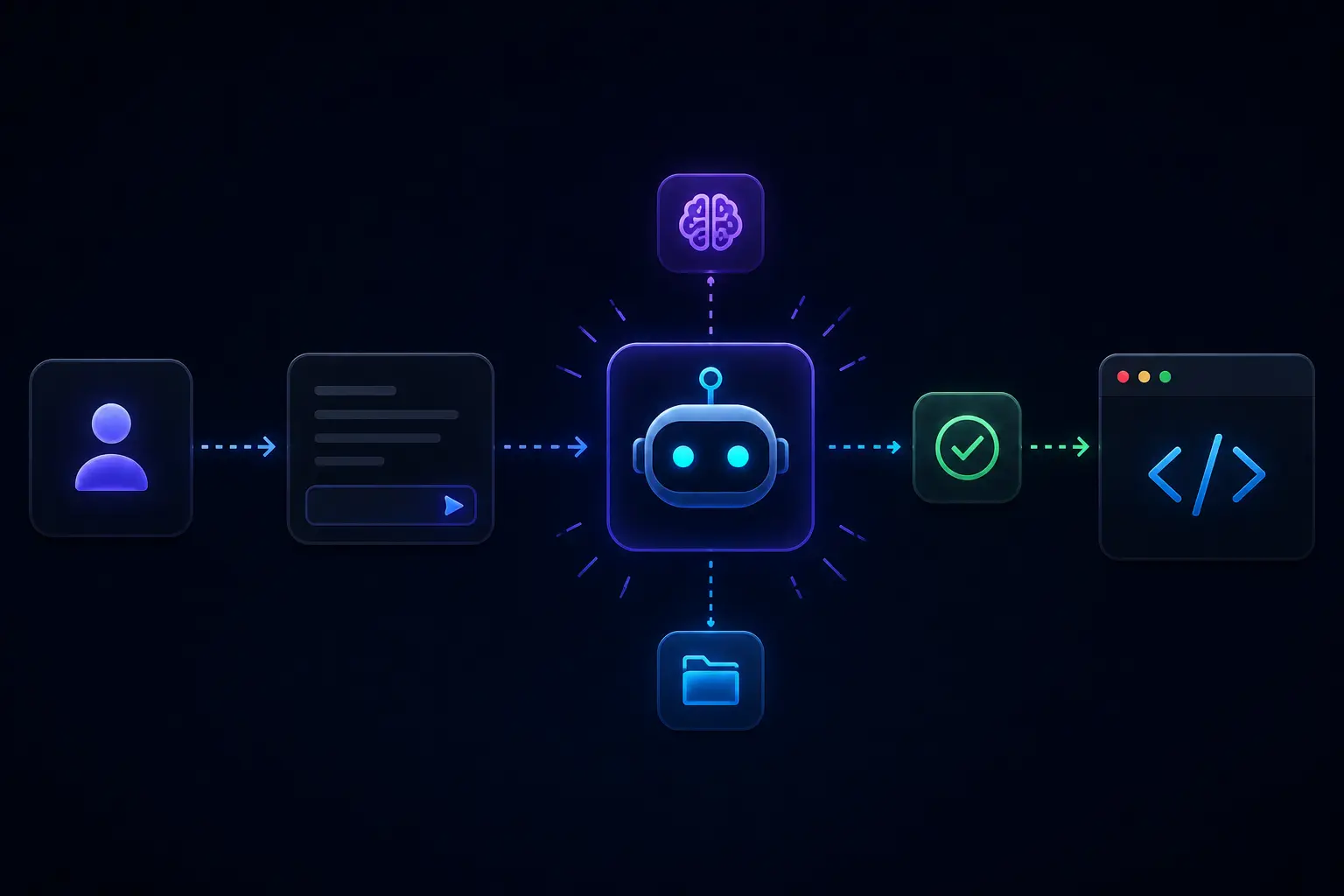
This repository ships reusable SKILL.md packs on the Agent Skills open standard so coding assistants can run explicit decision support, brainstorming, and structured thinking sequences instead of one-off mega-prompts.
Compatibility
The packs work with Claude Code, Cursor, Codex CLI, Gemini CLI, Windsurf, Antigravity, and any tool that implements the same Agent Skills specification—so you are not locked to a single vendor client.
When it is useful
You want agents to surface trade-offs, walk a facilitation-style sequence, or apply a named framework (Six Thinking Hats, critical thinking, systems thinking, design thinking, and similar) with consistent structure in whichever of those environments you already use.
Skills
Each Name links to that skill’s SKILL.md on GitHub (same wording as the repository README).
| Name | Description |
|---|---|
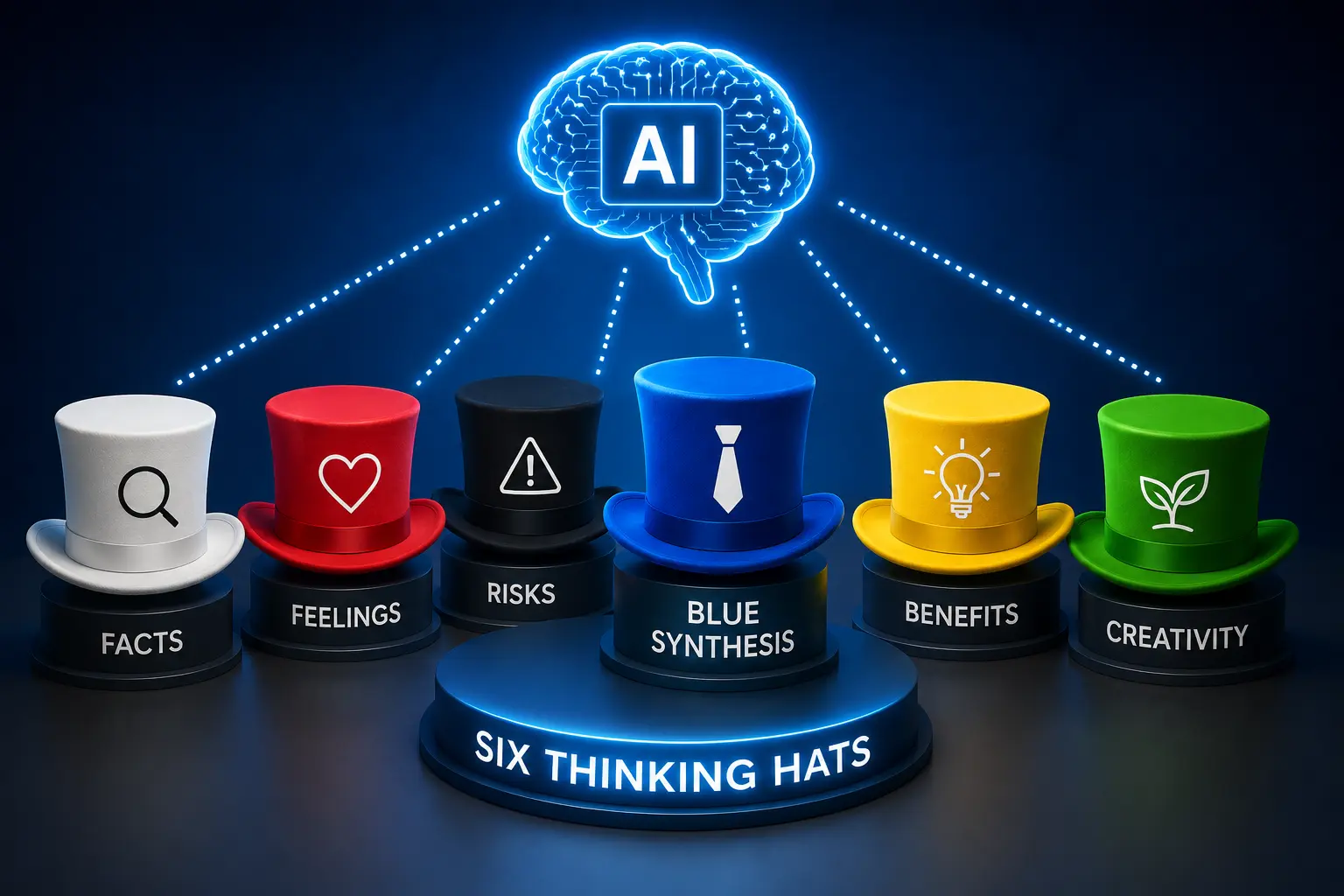
six-thinking-hats | Use when the user asks for Six Thinking Hats, parallel thinking, or Edward de Bono (naming or directing use/apply/run with typos is decisive), or wants sequential six-hat facilitation: facts, feelings, risks, benefits, new ideas, then synthesis for decisions and brainstorms. |
critical-thinking | Use when the user asks for critical thinking (naming or directing use/apply/run with typos is decisive), or wants claim and argument audit: assumptions, evidence, logic gaps, bias and fallacy scan, red team, devil's advocate, epistemic calibration. |
systems-thinking | Use when the user asks for systems thinking (naming or directing use/apply/run with typos is decisive), or wants feedback loops, delays, stocks and flows, leverage points, unintended consequences, and holistic propagation across teams, products, and policies. |
creative-thinking | Use when the user asks for creative thinking (naming or directing use/apply/run with typos is decisive), or wants divergent ideation: fluency, reframes, novel combinations, blue-sky variety, optional light convergence before commitment. |
strategic-thinking | Use when the user asks for strategic thinking (naming or directing use/apply/run with typos is decisive), or wants bets under constraints: where to play, how to win, roadmap narrative, tradeoffs, risks, portfolio prioritization, sequenced path. |
analytical-thinking | Use when the user asks for analytical thinking (naming or directing use/apply/run with typos is decisive), or wants structured breakdown: hypotheses, metrics, evidence, MECE-ish trees, decision tables, explicit uncertainty in synthesis. |
lateral-thinking | Use when the user asks for lateral thinking (naming or directing use/apply/run with typos is decisive), or wants provocations, concept fans, challenge questions, reframes to escape local optima when ideation stalls or feels incremental. |
design-thinking | Use when the user asks for design thinking (naming or directing use/apply/run with typos is decisive), or wants human-centered discovery: empathize, define POV and HMW, ideate, low-fi prototype intent, falsifiable test plan for HCD and UX sprints. |
first-principles-thinking | Use when the user asks for first-principles thinking or first principles (naming or directing use/apply/run with typos is decisive), or wants to strip analogies, tag fundamentals, rebuild logic from bedrock, challenge defaults, sanity-check copycat strategies. |
ethical-thinking | Use when the user asks for ethical thinking (naming or directing use/apply/run with typos is decisive), or wants values, harms, benefits, power asymmetry, justice, consent, fair process—moral review, AI and data ethics, stakeholder harm scans beyond legality. |
What you get
- Ten skills in the table above, grouped in the repo under the three pillars from the README (thinking lenses, decision support, brainstorming and critique).
- Install paths documented in the project:
npx skills addfor the full catalog or individual skills, and Claude Code marketplace plugin commands for the same set. - MIT-licensed content with validation scripting in the repository for maintainers.
Limits
Skills do not replace domain expertise or human judgment on high-stakes decisions; they shape how an agent reasons in the loop. Compatibility and invocation details follow the upstream tool you use—see the repository README for the current install and usage section.