AI crawl checker
Enter a URL to see whether AI and search crawlers can access it. Fetches robots.txt automatically and shows which crawlers are allowed, blocked, or unknown.
Check crawl access
View or edit robots.txt
Fetched automatically when you check a URL. Edit here to test rule changes before publishing — results update as you type.
What this tool checks
Enter any website or page URL. The tool fetches that site's robots.txt and evaluates whether compliant AI and search crawlers may access the path you entered.
robots.txt is a public advisory crawl policy — not an access-control or indexing guarantee. Results show allowed, blocked, or unknown for each supported crawler, with the matched user-agent group and winning rule.
How user-agent groups and longest-match rules work
robots.txt is organized into User-agent groups. Each group lists Allow and Disallow path patterns for one or more crawler tokens. When multiple groups match, the most specific user-agent token wins. Repeated groups for the same token are merged.
For a tested URL, the longest matching Allow or Disallow rule decides the verdict. When two rules match with equal length, Allow wins. Path matching is case-sensitive and includes the query string. Patterns support * wildcards and a terminal $ anchor.
AI search crawlers versus AI training crawlers
AI search and retrieval crawlers such as OAI-SearchBot, Claude-SearchBot, and PerplexityBot build indexes for answer features. AI training crawlers such as GPTBot, ClaudeBot, CCBot, meta-externalagent, and Bytespider collect data for model training. They are different products and often need separate User-agent groups.
Google-Extended and Applebot-Extended are robots.txt control tokens for generative AI training use — not separate HTTP user-agent strings. User-triggered fetchers like ChatGPT-User and Perplexity-User may ignore robots.txt per vendor documentation, so this tool lists them as informational rather than definitive verdicts. Claude-User honors robots.txt per Anthropic documentation.
Live fetch behavior, privacy, and limits
The tool fetches only https://origin/robots.txt over HTTPS. It never downloads the tested page. Submitted URLs, robots.txt content, and verdicts are not stored.
Public HTTPS origins only. Localhost and private-network targets are blocked. Requests time out after 8 seconds, follow up to 5 redirects, and cap robots.txt at 500 KiB. HTTP 404 and most 4xx responses are treated as no restrictions. HTTP 429, 5xx, DNS failure, and timeouts return Unknown — never Allowed.
Frequently asked questions
How do I check whether AI crawlers can access a URL?
Enter your website or page URL and click Check crawl access. The tool fetches robots.txt from your site and tests the path against Googlebot, GPTBot, ClaudeBot, and other supported crawlers. Tap any crawler in the results matrix to see the matched user-agent group, winning Allow or Disallow rule, and line number.
Does robots.txt control indexing?
No. robots.txt tells compliant crawlers which URLs not to fetch. A URL can still appear in search results from links, sitemaps, or historical data. Use noindex meta tags or HTTP headers when you need to manage indexing separately from crawl policy.
What is the difference between a named user-agent group and the * wildcard?
The * group applies to crawlers without a more specific matching token. When Googlebot has its own group, that named group replaces the wildcard for Googlebot only. Other crawlers still use * unless they have their own group.
What happens when Allow and Disallow rules conflict?
The longest matching path pattern wins. If Allow and Disallow patterns match with equal length, Allow takes precedence. Empty Allow or Disallow values are ignored.
What if my site has no robots.txt or returns 404?
Compliant crawlers generally treat a missing robots.txt as no crawl restrictions. This tool evaluates a not-found live fetch as an empty policy that allows crawling.
Can I block AI training while allowing AI search crawlers?
Yes, when vendors publish separate user-agent tokens. For example, you can Disallow GPTBot for training while leaving OAI-SearchBot unrestricted. Always confirm current token names in each vendor's official documentation before publishing rules.
What is Google-Extended in robots.txt?
Google-Extended is a robots.txt token that controls whether Google may use your content for generative AI model training and related products. It is not a standalone HTTP crawler user-agent. Googlebot rules still govern standard Google Search crawling.
Do ChatGPT-User or Perplexity-User follow robots.txt?
These are user-triggered fetchers, not autonomous crawlers. OpenAI states robots.txt may not apply to ChatGPT-User; Perplexity documents that Perplexity-User generally ignores robots.txt. This tool does not report definitive verdicts for them. Claude-User is also user-triggered but Anthropic documents that it honors robots.txt.
What are CCBot, meta-externalagent, and Bytespider?
CCBot is Common Crawl's crawler — its archived datasets feed many AI training pipelines. meta-externalagent is Meta's crawler for AI training and product indexing. Bytespider is ByteDance's training crawler. All three support robots.txt tokens, though Bytespider compliance has been reported as inconsistent — verify in server logs if you block it.
What is Applebot-Extended in robots.txt?
Applebot-Extended is a robots.txt token that controls whether Apple may use content already crawled by Applebot for foundation model training. It does not crawl webpages on its own. Blocking Applebot-Extended does not block Applebot search crawling.
Can I test robots.txt changes before publishing?
Yes. Expand View or edit robots.txt, paste or edit the file, and results update automatically. This lets you preview how rule changes affect each crawler without fetching again.
Is robots.txt a security control?
No. robots.txt is publicly readable and only influences compliant automated crawlers. Sensitive paths must be protected with authentication and server-side authorization, not robots.txt alone.
Continue exploring

What Google Sees: A Deep Dive into JSON-LD Metadata Harvesting
 Bash
Bash Gemini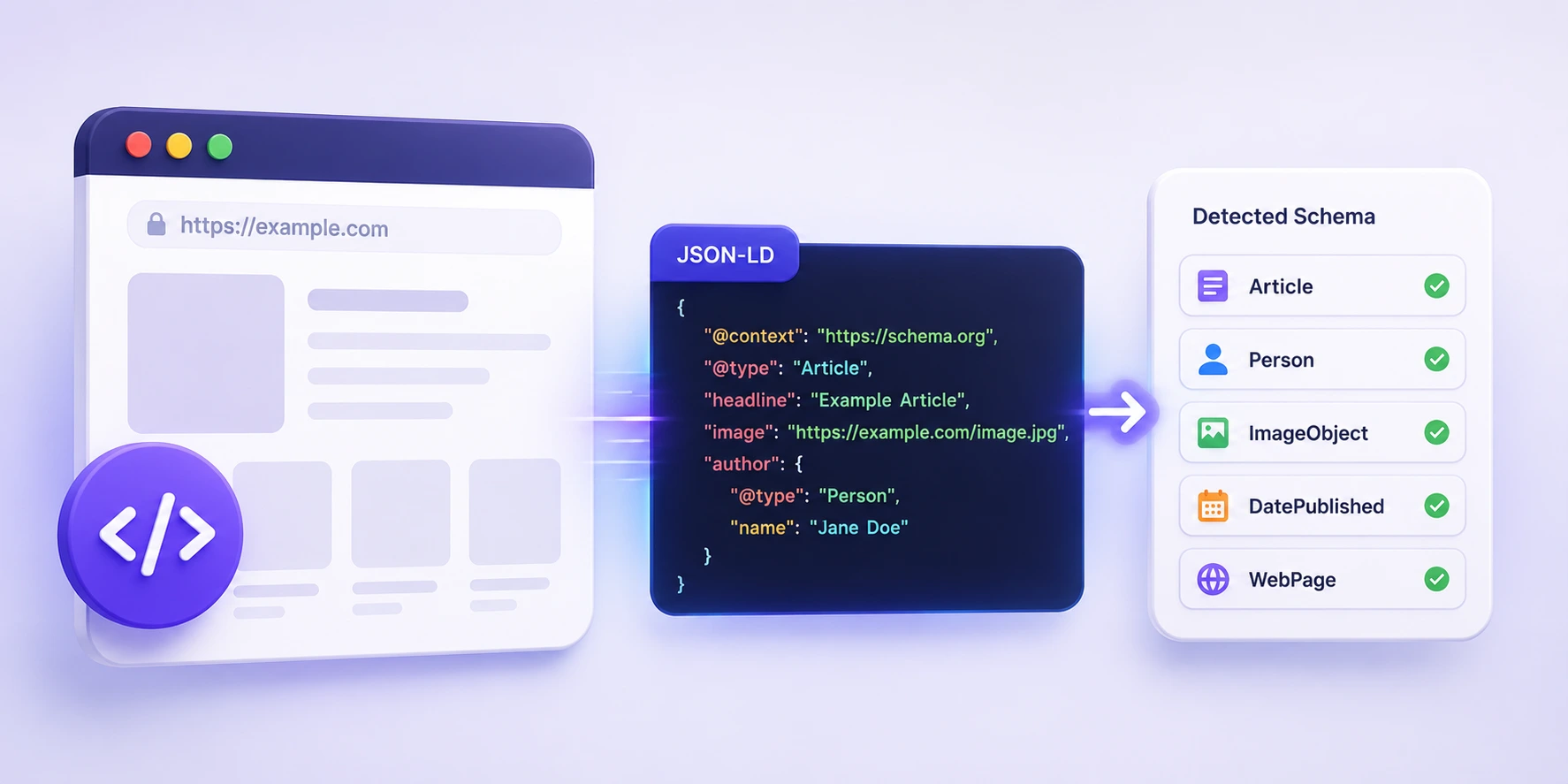
JSON-LD / Schema.org extractor
Extract JSON-LD from any public HTTPS page and review schema types in seconds.
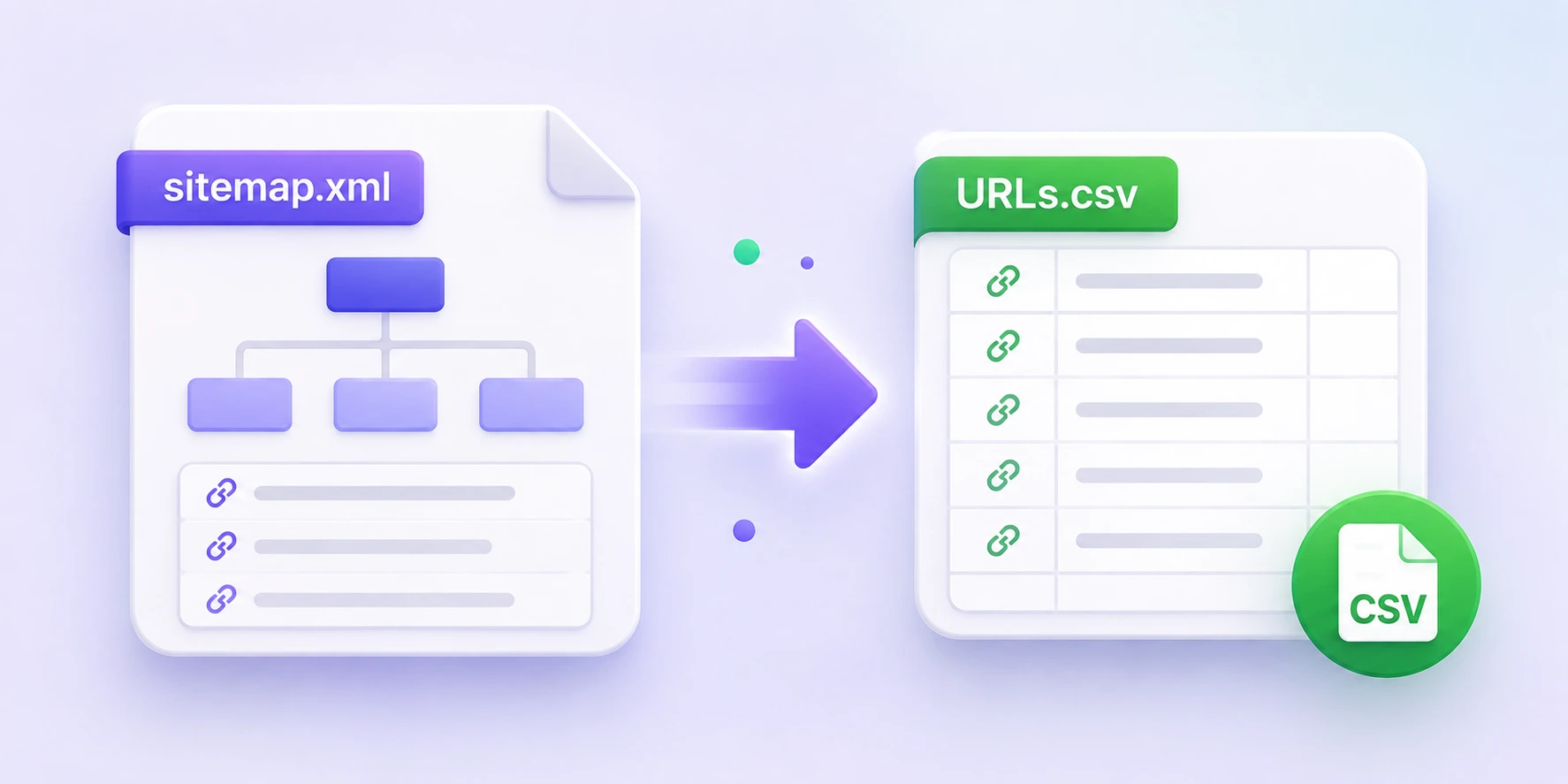
Sitemap URL extractor
Sitemap to CSV extractor for XML sitemaps and nested sitemap indexes.

 LangChain