

You picked a stack. You have not picked how tenants live in the database.
Your team is sketching the first SaaS API. Someone asks whether each customer gets its own schema or one shared set of tables. The meeting ends with "we will prototype both." Weeks pass. You still have slides.
Express Multi-Tenant Configurations is two runnable paths in one repo so you can compare isolation and upkeep before you commit.
Pick the pattern with code, not slides.
What you get
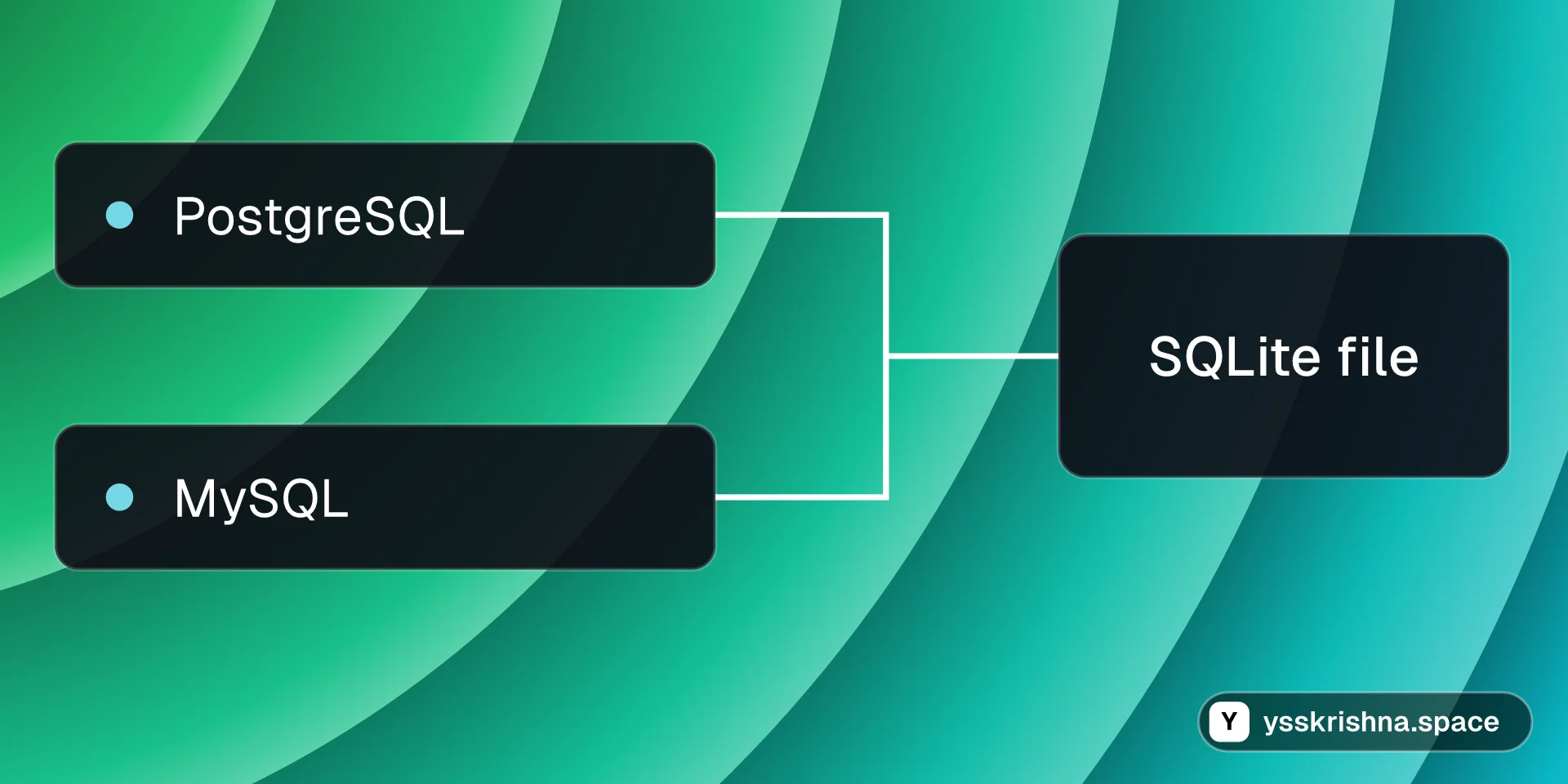
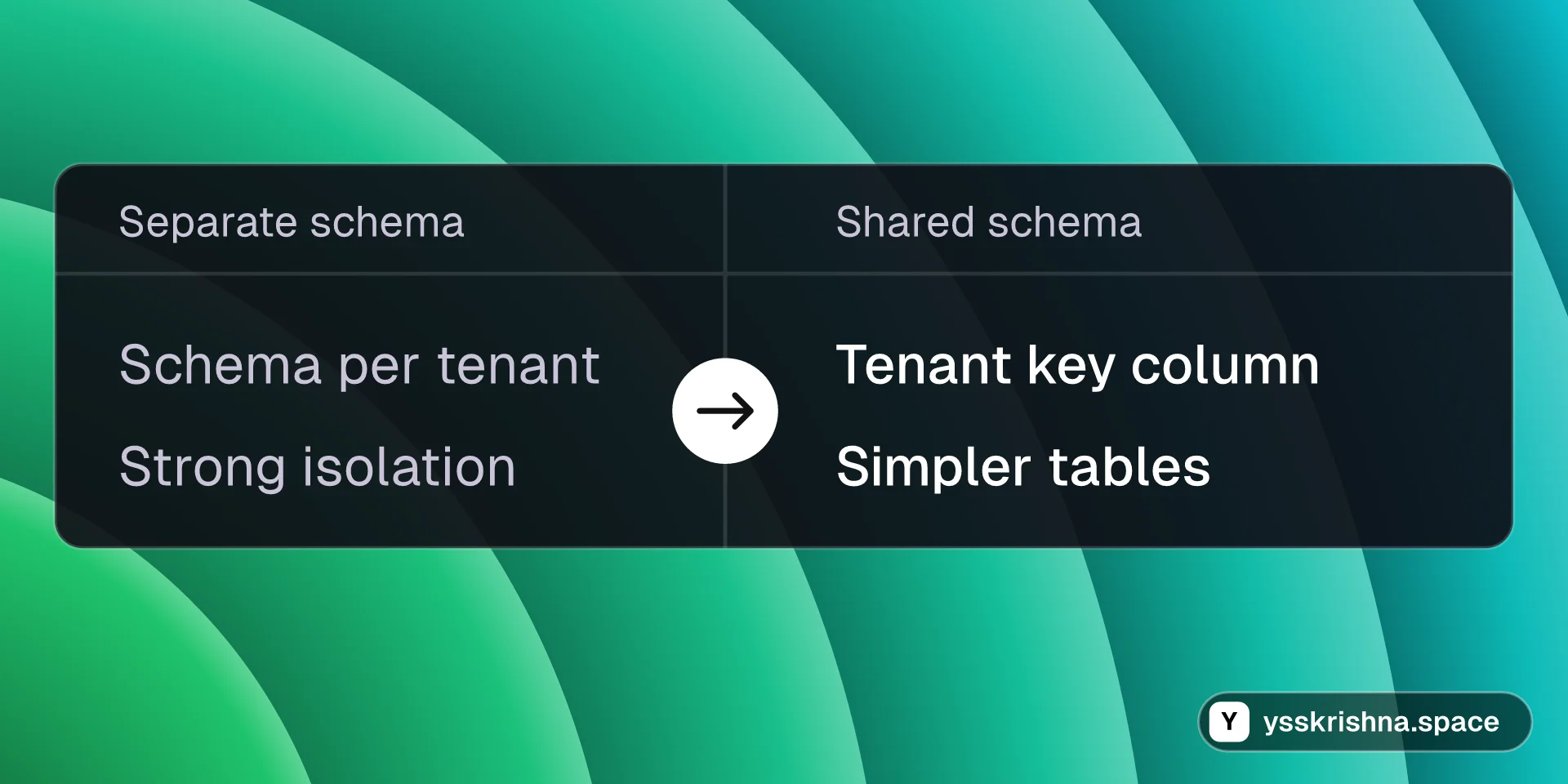
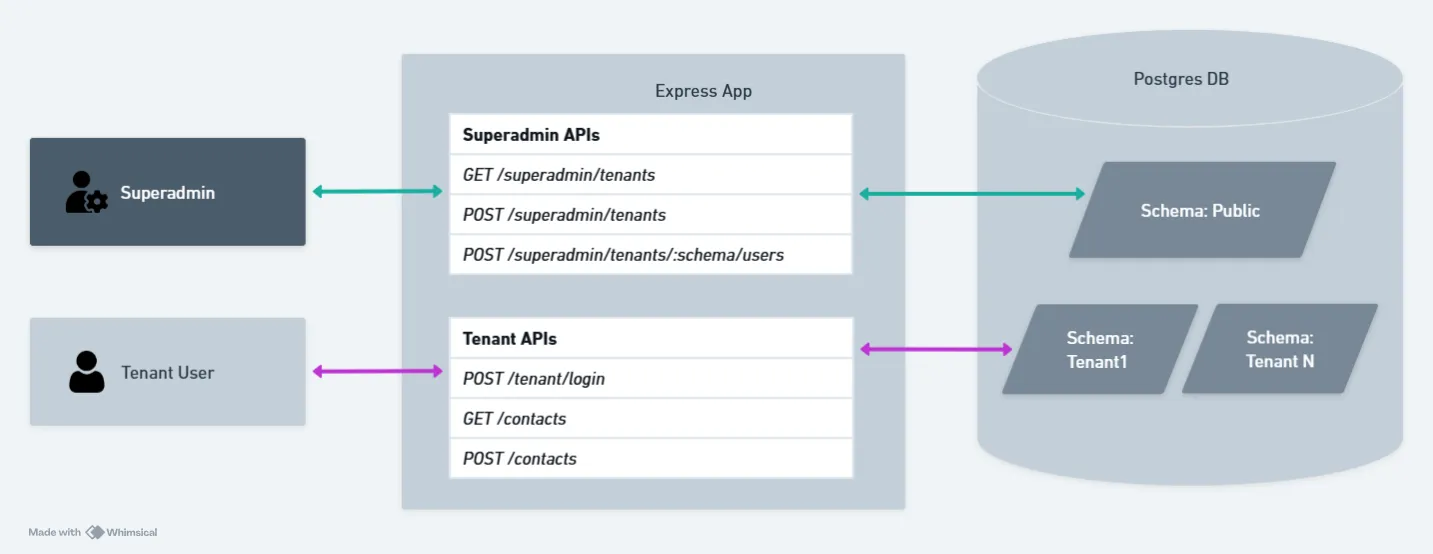
- Two tenancy models side by side. One path gives each tenant a dedicated PostgreSQL schema. The other keeps shared tables and isolates rows with a tenant key column.
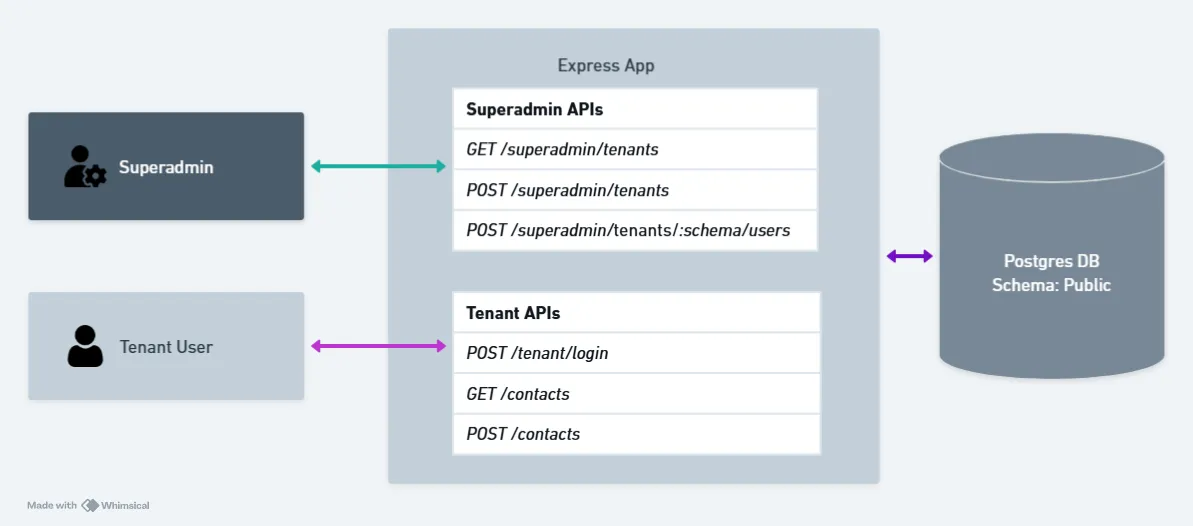
- Superadmin flows that mirror real platforms. Create and list tenants, create users for a tenant, secured with an admin token.
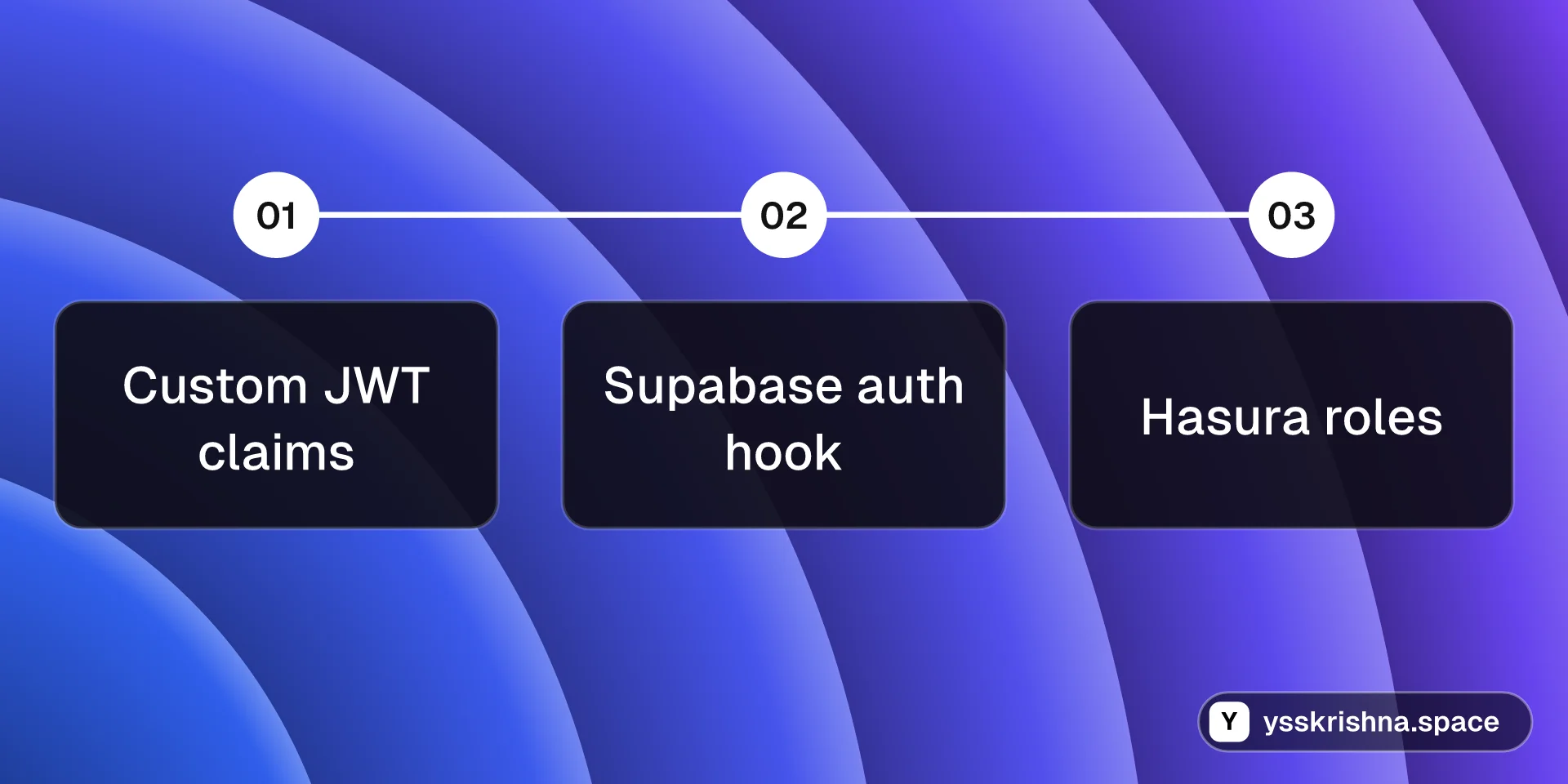
- Tenant login and scoped data. JWT-based authentication, role-based access, and contact records that stay inside the active tenant.
- Docker profiles for each path. Start the separate-schema variant or the shared-schema variant locally without maintaining two unrelated repos.
- Honest tradeoff notes in the README. Guidance on when stronger physical isolation matters and when simpler shared tables are enough.
Picture your comparison day
For example, you start the separate-schema profile and add two tenants. You log in as each, add contacts, and confirm one tenant never sees the other’s list. You switch to the shared-schema profile and repeat the same clicks. Same flows, different isolation story. You leave with notes for your architecture decision instead of guesswork.
Ready to try it?
- Browse the repo on GitHub for setup steps, architecture diagrams, and per-folder documentation